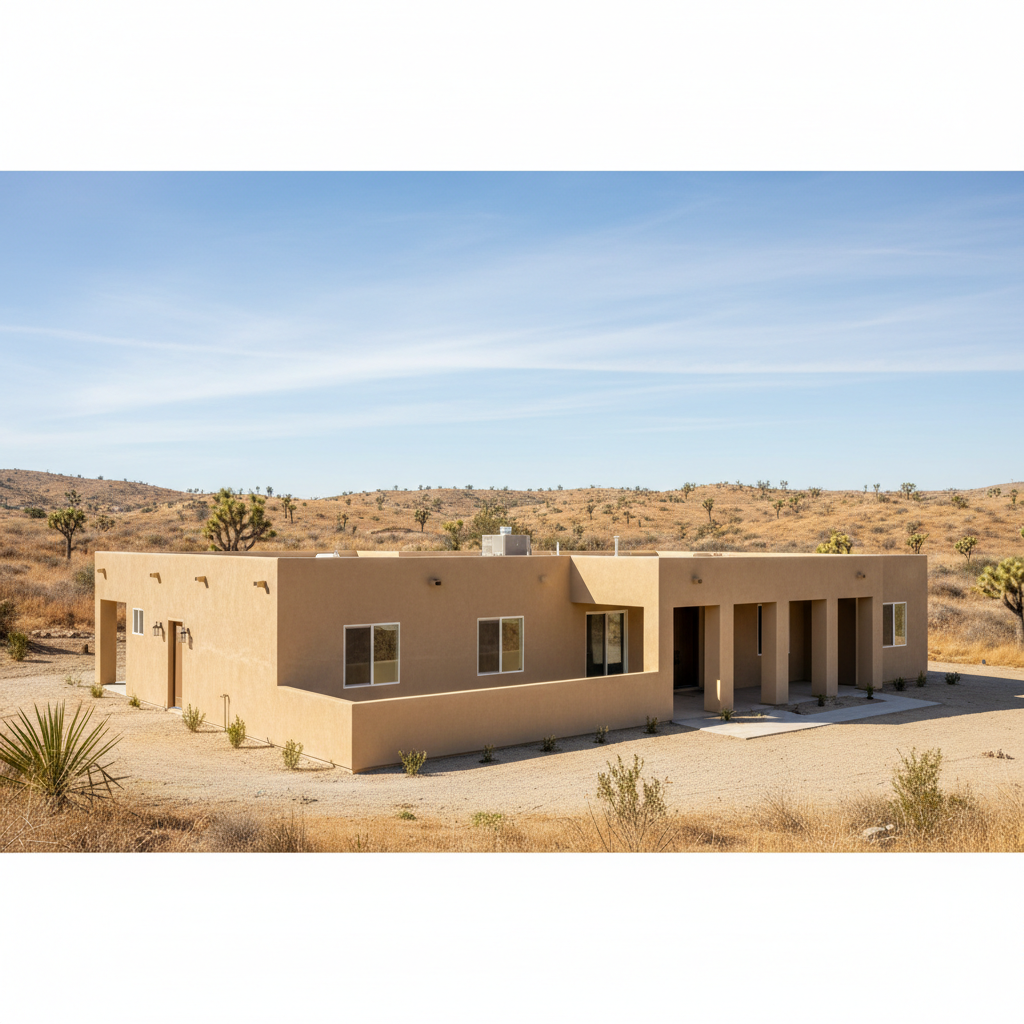
Alright, so you're looking at EIFS for your home here in Lancaster. Maybe you've heard good things about its insulation properties, or you just like the look. Whatever the reason, it's a solid choice, but like any big home improvement, you gotta go into it with your eyes wide open. I've been doing this a long time with Lancaster Stucco & Plastering, and I've seen a lot of projects, good and bad. This guide is for you, the homeowner, to make sure your EIFS installation goes as smoothly as possible.
What's the Timeline Look Like?
Let's talk about how long this whole thing takes. It's not an overnight job, that's for sure. A typical EIFS installation on an average-sized home in the Antelope Valley, say a 1,800 to 2,500 square foot house, usually runs about two to four weeks from start to finish. That's assuming good weather and no major surprises once we start tearing into things.
Here's a rough breakdown:
- Preparation (1-3 days): This includes setting up scaffolding, protecting your landscaping, and getting the old siding off if it's a re-siding job.
- Substrate Repair/Sheathing (2-5 days): If there's any damage to the underlying sheathing, or if we're adding new sheathing, that happens now. This is critical for a good, long-lasting EIFS system.
- Insulation Board Installation (3-7 days): The foam boards go up. This is where you really start to see the shape of the new exterior.
- Base Coat with Mesh (3-7 days): A layer of cementitious base coat is applied over the foam, embedding a fiberglass mesh for strength and crack resistance. This needs time to cure properly.
- Primer (1-2 days): A primer coat ensures good adhesion for the finish coat.
- Finish Coat (2-4 days): This is the color and texture you'll see. It's applied carefully and then allowed to cure.
- Cleanup & Final Touches (1-2 days): Scaffolding comes down, the site gets cleaned up, and any final detailing is done.
Remember, this is a general guide. Bigger homes, complex architectural details, or unexpected repairs can add time. Rain, especially during our winter months here, can also slow things down because EIFS materials need dry conditions to cure correctly.
What to Expect During the Process
Okay, so we're on the job. What's it going to be like around your house? First off, it's going to be a construction zone. There will be scaffolding around your home, materials delivered, and tools running. It's not going to be quiet, and there will be dust. We do our best to keep things tidy, but it's an active worksite.
You'll see different crews at different stages. One team might be tearing off old siding, another installing foam, and a different one applying the finish. Communication is key. We'll have a project lead you can talk to about any concerns or questions during the day. Expect some noise, some mess, and limited access to certain parts of your yard while we're working.
How to Get Your Home Ready
Before we even show up, there are a few things you can do to make life easier for everyone:
- Clear the Perimeter: Move any patio furniture, grills, planters, or anything else away from the exterior walls. We need clear access all around the house.
- Trim Your Landscaping: If you have bushes or trees right up against the house, give them a good trim. We'll protect what we can, but it helps if they're not in the way.
- Secure Valuables: Remove anything delicate or valuable from walls inside your home that are directly adjacent to where we'll be working. Vibrations from demo or installation can sometimes cause things to shift or fall.
- Tell Your Neighbors: Give your neighbors a heads-up that there will be some noise and activity for a few weeks. It's just good neighborly practice.
- Plan for Access: Make sure we have easy access to water and electricity. We'll need it.
Questions to Ask Before You Sign That Contract
This is where you protect yourself. Don't be afraid to ask tough questions. Any reputable contractor, like us at Lancaster Stucco & Plastering, will be happy to answer them.
- Are you licensed and insured for EIFS work in California? This is non-negotiable. Ask for proof.
- Can you provide references from recent EIFS jobs? Talk to those homeowners. Ask about their experience, communication, and if the job finished on time and on budget.
- What specific EIFS system are you installing (manufacturer and type)? There are different types of EIFS. Know what you're getting.
- What's included in the warranty, and who backs it – the contractor or the manufacturer? Understand the terms.
- How do you handle unexpected issues or change orders? Things can pop up. You need to know the process for dealing with them and how costs are affected.
- What's your payment schedule? A good contractor won't ask for a huge upfront deposit. Payments should be tied to completed milestones.
- How do you protect my property and landscaping during the job? Get specifics on how they plan to minimize impact.
- What's the cleanup process once the job is done? You don't want a mess left behind.
- What's your communication plan? Who is my main point of contact? You need to know who to call if you have a question or concern.
Picking the right contractor for your EIFS project is just as important as picking the right system. Do your homework, ask these questions, and you'll be well on your way to a beautiful, energy-efficient exterior for your Lancaster home.