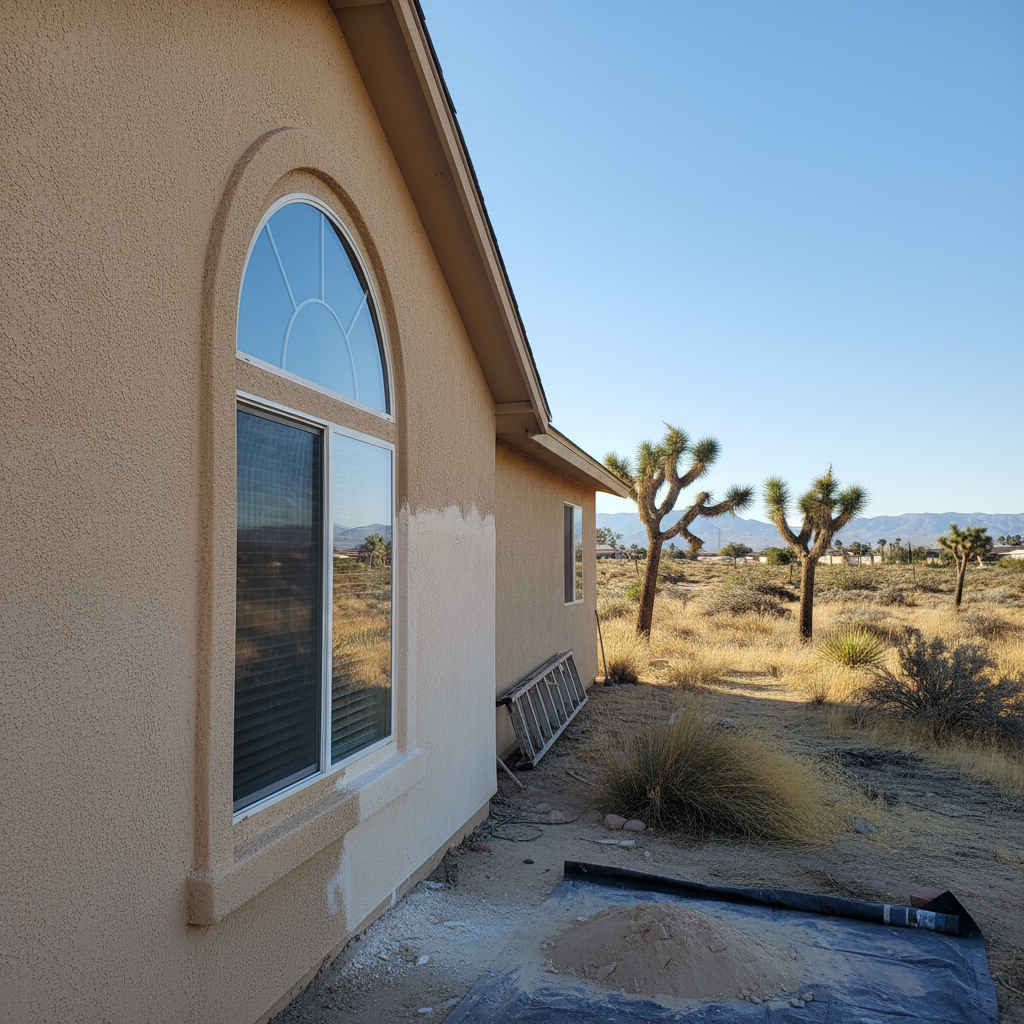
When's the best time to fix up that stucco? That's a question I hear a lot from folks right here in Lancaster. It's not just about finding a good contractor, you know; it's also about understanding how our crazy High Desert weather really messes with things. You want your repairs to actually last, right? So, let's talk about the seasons.
Summer: Heat's a Killer for Stucco Work
Look, summer here in Lancaster is just brutal. We're talking 100+ degrees pretty regularly. That kind of heat isn't just uncomfortable for the crew, it's really tough on the stucco materials themselves. When you're putting on new stucco or even just patching, the water in the mix can dry out way too fast. This can lead to what we call 'flash setting' or 'drying out' before the stucco has a chance to properly cure and bond. What happens? You end up with weaker, more brittle stucco that's going to crack sooner rather than later. It's kind of like trying to bake a cake in an oven that's cranked up too high – it'll cook on the outside but stay raw in the middle, or just dry out completely.
The sun is another thing. Direct, intense sunlight can cause problems with the color and texture consistency, especially on bigger patches. It's just harder to get a uniform finish when one part of the wall is baking hot and another is in shadow. So, while we certainly can do repairs in the summer, we often have to schedule them super early in the morning or later in the afternoon. Or, we take extra precautions like using shade cloths, which can add to the complexity and, yes, the cost. It's not ideal, but sometimes repairs just can't wait.
Fall: The Sweet Spot for Stucco Repairs
If you ask me, fall is absolutely prime time for stucco work here in Lancaster. Those cooler temperatures, usually hanging around the 70s and 80s, are just perfect. The stucco can cure slowly and evenly, which is exactly what you want for maximum strength and durability. You're not battling the intense summer sun, and you're usually ahead of the real winter cold and rain.
The air's generally drier than in spring, but not so dry that things flash set. It's that Goldilocks zone – just right. If you've got cracks, chips, or any damage from the summer heat, getting it fixed in the fall means your home is sealed up and ready for whatever winter decides to throw at us. Plus, scheduling tends to be a bit easier for us at Lancaster Stucco & Plastering because we're not constantly fighting against extreme weather conditions.
Winter: Watch Out for Cold and Rain
Winter brings its own set of challenges, doesn't it? First off, cold temperatures slow down the curing process a lot. If it gets too cold, especially below 40 degrees Fahrenheit, the water in the stucco mix can actually freeze before it properly sets. This expansion and contraction can destroy the bond and leave you with a weak, crumbly patch. We've seen this happen when folks try to DIY or hire someone who just doesn't understand our local climate.
Then there's the rain. Even though we don't get a ton of it here in Lancaster, when it comes, it can be a real problem. You can't apply stucco to a wet surface, and you definitely can't let newly applied stucco get soaked before it's cured. It'll wash away the cement, weaken the mix, and can lead to staining and efflorescence. If we're working in winter, we're constantly checking the forecast, using tarps, and planning around the weather. It's doable, but it requires more careful planning and sometimes, well, delays.
Spring: A Good Option, But Be Mindful of Wind
Spring is generally a pretty good time for stucco repairs too. Temperatures are usually mild, and the days are getting longer. The main thing to watch out for in spring, especially here in the Antelope Valley, is the wind. We get some serious gusts that can kick up dust and dry out stucco too quickly. It's similar to the summer heat, just for a different reason. Wind can also make it harder to apply stucco smoothly and consistently. We'll often set up windbreaks if we're doing a big job during a windy spell.
Protecting Your Investment Year-Round
So, what does all this really mean for you, the homeowner? It means being smart about when you schedule repairs. Fall is usually your best bet for optimal results. But regardless of when you get the work done, regular maintenance is key. Keep an eye out for hairline cracks, especially around windows and doors, or where different materials meet. The expansion and contraction from our daily temperature swings – from freezing nights to warm days – can really stress your home's exterior.
Don't let small issues turn into big ones. A little patch here and there is way cheaper and easier than a full re-stucco down the line. If you see something that doesn't look right, give us a call. We're happy to come out, take a look, and give you an honest opinion on what needs to be done and when's the best time to do it. Your home's exterior is its first line of defense, and keeping that stucco in top shape is crucial for protecting your whole investment.