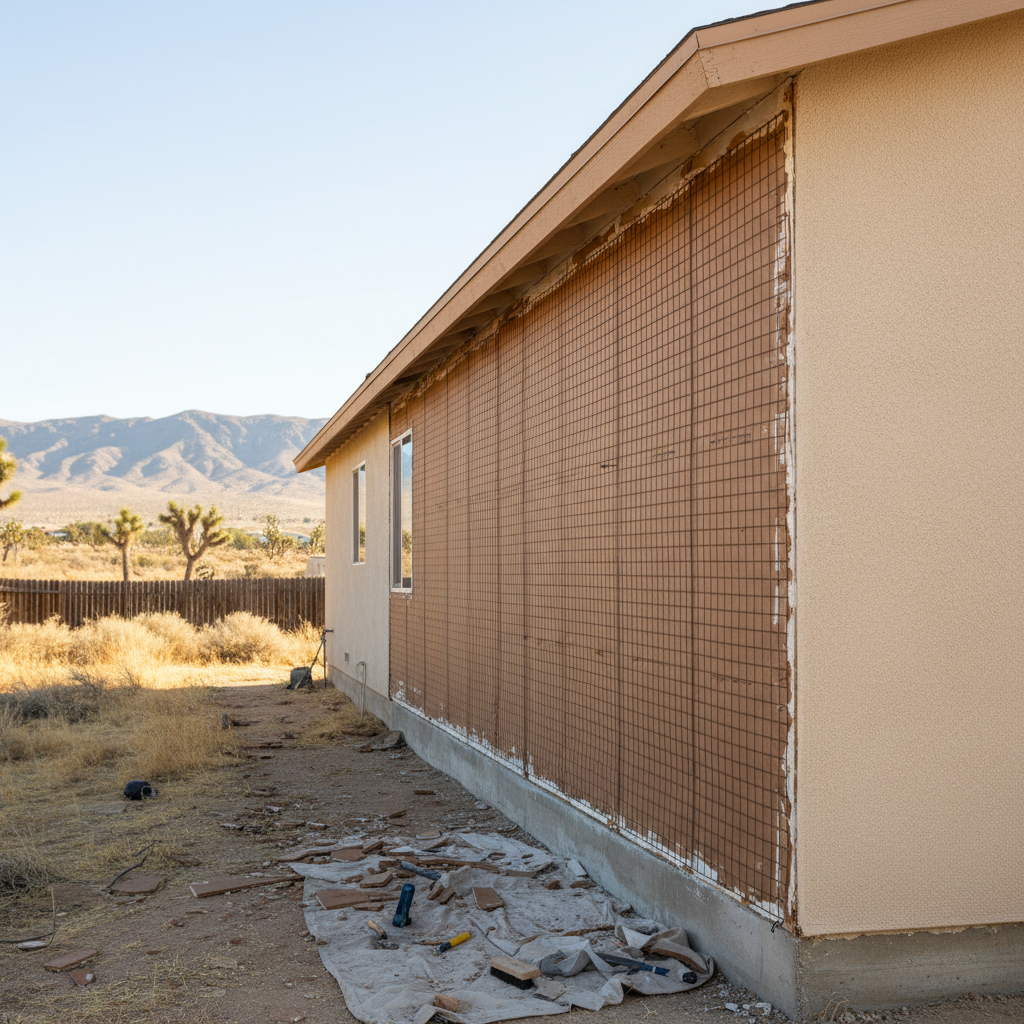
You just went through the process of getting that old stucco off your house, maybe you found some issues underneath, or maybe you just wanted a fresh look. Either way, you've invested time and money into this project. Now, how do you make sure that investment lasts? It's not just about the removal itself; it's about what comes next and how you maintain it, especially with our desert climate here in Lancaster.
Extending the Life of Your New Exterior
Once the stucco's gone, you've likely got a new siding material up – maybe wood, fiber cement, or even a different type of finish. The key to making that last is proper sealing and protection from the elements. Our intense sun here in the Antelope Valley is no joke. It'll bake and dry out anything that isn't properly protected. Make sure any new wood siding is stained or painted with high-quality, UV-resistant products. Fiber cement needs good paint too. You're trying to prevent moisture intrusion and sun damage, which can lead to warping, cracking, and fading.
Also, think about your gutters and downspouts. Are they directing water away from your foundation and new siding? If they're clogged or broken, water will just run down the side of your house, and that's a recipe for trouble, no matter what material you have. Good drainage is always critical.
Regular Maintenance: What You Need to Do
You don't need to be out there every weekend, but a little regular attention goes a long way. I tell folks to do a walk-around inspection of their home's exterior at least twice a year – once in the spring and once in the fall. Look for anything that seems off.
- Cleaning: Dust and dirt build up, especially with our windy days. A gentle wash with a hose and a soft brush can do wonders. Don't use a pressure washer unless you really know what you're doing, because you can easily damage your siding or force water into places it shouldn't go.
- Caulking and Sealing: Check around windows, doors, and any trim. Caulk dries out and cracks over time, leaving gaps for water to sneak in. Re-caulk any areas that look worn or cracked. This is super important for keeping moisture out.
- Paint/Stain Touch-ups: If you see any peeling, blistering, or fading, address it quickly. A small touch-up now can prevent a much bigger, more expensive repaint job later.
- Landscaping: Keep plants and bushes trimmed away from your house. They can trap moisture against the siding, and their roots can sometimes cause foundation issues if they're too close.
Our dry climate means you might not see mold as often as folks on the coast, but dust and dirt can still cling to surfaces and make your home look neglected. A good rinse every now and then helps.
Warning Signs of Problems
Keep an eye out for these red flags. Catching them early can save you a headache and a lot of cash:
- Discoloration or Stains: Dark streaks, especially under windows or near the roofline, often mean water is getting in or running down where it shouldn't.
- Cracks or Gaps: Any new cracks, especially wider ones, in your siding or trim need attention. Gaps around windows or doors are an open invitation for water and pests.
- Peeling or Blistering Paint: This usually indicates moisture trapped underneath the paint, or that the surface wasn't prepped right.
- Soft Spots: If you press on a section of your siding, especially wood, and it feels soft or spongy, that's a sign of rot.
- Pest Activity: Termites and other pests love moisture-damaged wood. If you see signs of them, you likely have a moisture problem too.
I've seen plenty of homes in older neighborhoods, like those around Avenue J, where small issues were ignored and turned into major structural repairs because water had been getting in for years.
When to Call a Professional
Look, you can handle a lot of the basic maintenance yourself, but there are times when you really need to bring in a pro. Don't try to DIY something if you're not confident, because you could make it worse. Here's when to pick up the phone:
- Extensive Damage: If you've got large sections of rot, significant cracking, or widespread peeling, it's probably beyond a simple patch job.
- Persistent Leaks: If you've re-caulked and sealed, but still see signs of water intrusion inside your home, you need an expert to find the source.
- Structural Concerns: If you suspect any kind of structural damage, like bowing walls or sagging sections, call a contractor immediately.
- Pest Infestations: Get a pest control company in there, and then follow up with a contractor to repair any damage they caused and fix the underlying moisture issue.
- Complex Repairs: Some siding materials, like certain types of fiber cement or composite, require specific installation and repair techniques that are best left to experienced hands.
Here at Lancaster Stucco & Plastering, we've seen it all, from minor touch-ups to full-blown siding replacements after stucco removal. We can help assess the situation and get you pointed in the right direction, whether it's a small repair or something more involved. Don't wait until a small problem becomes a huge headache. A little vigilance now saves you a lot later.