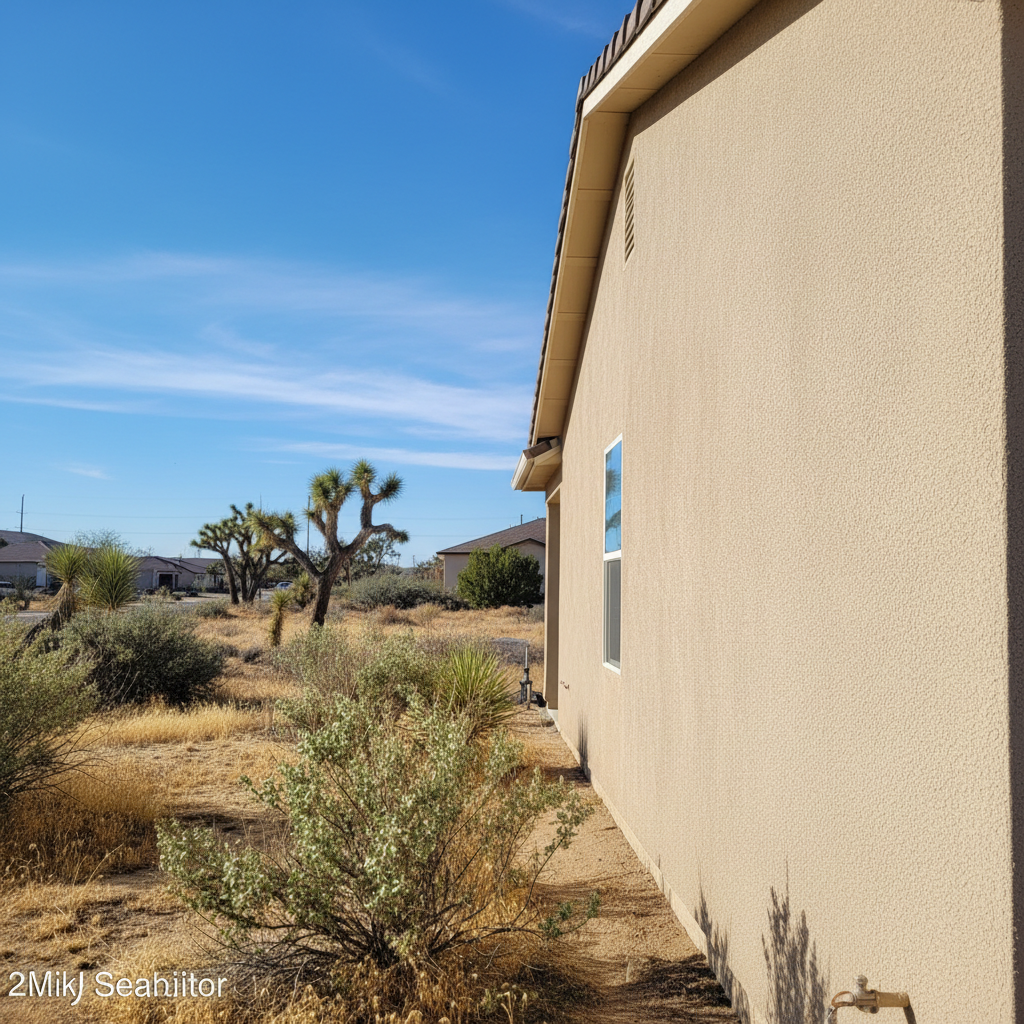
Stucco's tough stuff, no doubt about it. That's why so many homes around Lancaster have it, from the older places near downtown to the newer builds out in Quartz Hill. It really handles our hot summers and those occasional cold snaps pretty well. But "tough" doesn't mean "no maintenance." If you want your stucco to last as long as it should — and keep looking good — you've got to give it a little attention. It's not a lot, but it makes a huge difference.
Extending Your Stucco's Life: The Long Game
The biggest thing you can do to make your stucco last is keep it clean and dry. Sounds simple, right? It really is. Stucco's main enemy, besides a really bad impact, is moisture getting where it shouldn't. Our desert climate helps a lot with drying things out, sure, but rain and sprinklers can still cause issues over time.
- Keep it Clean: Dirt, dust, and even some of that fine sand we get blowing around here can build up. This grime can hold moisture against the surface, and over years, that's just not good. A light wash with a garden hose once or twice a year is usually enough. For tougher spots, a soft brush and mild detergent (like dish soap) will do the trick. Just don't go at it with a high-pressure washer; you can damage the finish, especially on older stucco.
- Control Water Runoff: Make sure your gutters and downspouts are clean and directing water away from your foundation. If water is constantly sheeting down a stucco wall, it'll eventually find a way in, or at least leave ugly stains. Also, check your sprinkler heads. They shouldn't be spraying directly onto your stucco for long periods. I've seen plenty of homes with green algae growth or mineral stains just from sprinklers hitting the same spot day after day.
- Trim Landscaping: Bushes, trees, and vines growing directly against your stucco are a bad idea. They trap moisture, block sunlight from drying the wall, and can even physically damage the surface over time. Keep them trimmed back a good six inches or more.
Regular Maintenance: What to Look For
You don't need to be a stucco expert to spot potential problems. Just take a walk around your house a couple of times a year, maybe after a rainstorm or when you're doing yard work. Look for these things:
- Cracks: Small hairline cracks are pretty normal, especially with our temperature swings. Stucco expands and contracts, after all. If they're tiny and don't seem to be growing, they're usually not a big deal. But if you see cracks that are wider than a credit card, or if they're running in a distinct pattern (like a stair-step crack from a window corner), that's something to pay attention to.
- Stains and Discoloration: Dark streaks, green patches, or rust-colored stains can all point to water problems. Dark streaks often mean water is getting behind the stucco somewhere above. Green patches are usually algae or mildew from constant dampness. Rust stains? Those usually come from metal flashing or fasteners that are corroding.
- Bulges or Soft Spots: This is a serious red flag. If you push on the stucco and it feels soft, or you see a bulge, it almost certainly means water is trapped behind it, and the lath or sheathing underneath is rotting. Don't ignore this.
- Pest Activity: Bees, wasps, birds, and even rodents can sometimes try to nest in small openings in stucco. Keep an eye out for holes or nests.
When to Call a Pro (Like Us at Lancaster Stucco & Plastering)
You can handle the basic cleaning and general inspection yourself. But for anything more serious, you really want to bring in someone who knows stucco. Here's when to pick up the phone:
- Any significant cracking: If those cracks are wide, long, or seem to be spreading, you need a professional assessment. We can tell you if it's just a surface issue or something structural.
- Water intrusion signs: Stains that keep coming back, bulges, or soft spots are definitely professional territory. You need to find the source of the water and repair any damage before it gets worse.
- Damage from impact: If a tree branch hit your house, or a car backed into a wall, and there's a hole or a big chunk missing, we can fix that up so it blends seamlessly.
- Pest damage that's more than superficial: If pests have made a real home in your stucco, we can repair the entry points and any damage they've caused after you've dealt with the pests themselves.
- You're just not sure: Honestly, if you see something that makes you scratch your head and wonder, just call. It's better to get an expert opinion early than to let a small problem turn into a big, expensive one. We're happy to come out, take a look, and give you an honest assessment of what's going on.
Taking care of your stucco isn't rocket science, but it does require a little bit of attention. A little effort now can save you a lot of headaches and money down the road, and keep your Lancaster home looking sharp for years to come.