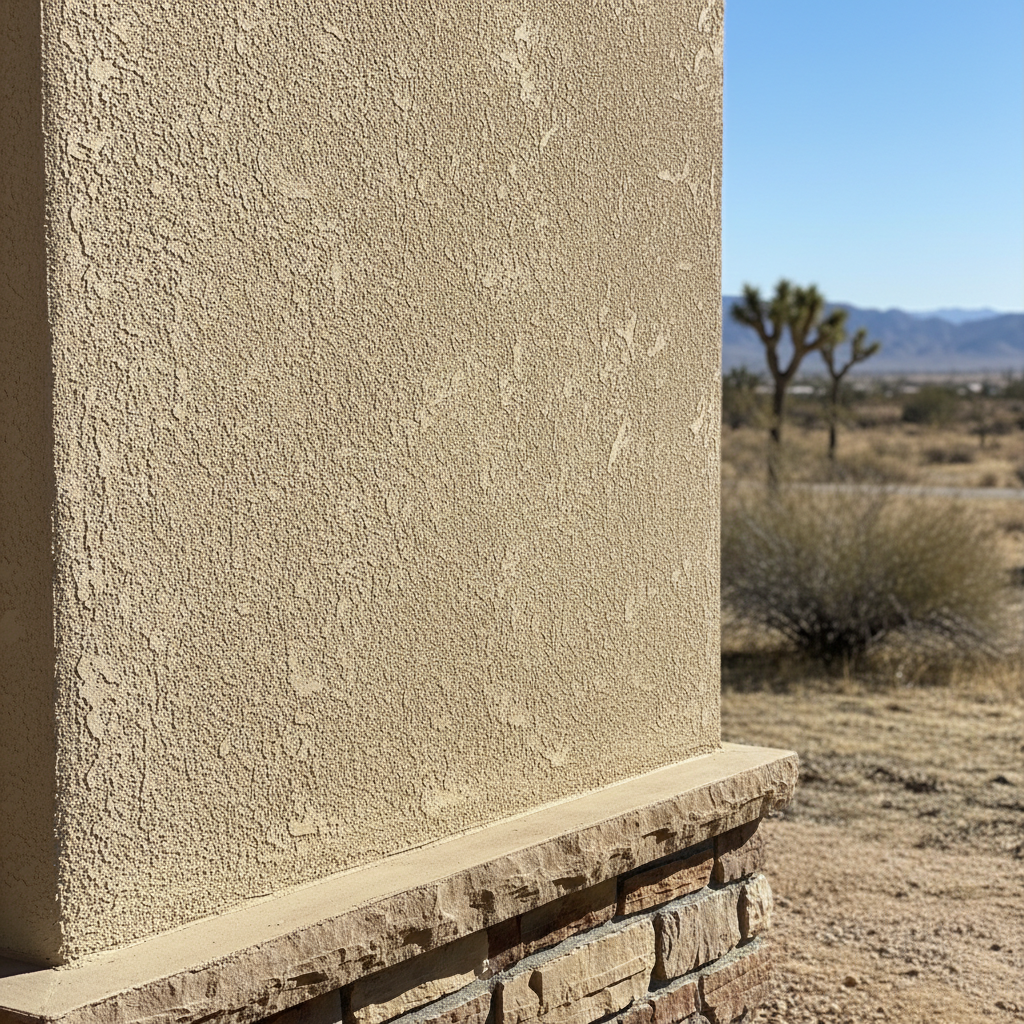
Alright, let's talk stucco inspections. You've got stucco on your home, and whether you're buying, selling, or just want to make sure things are sound, you're probably wondering what you need to look for. It's not as complicated as some folks make it out to be, but there are definitely things you, as a homeowner, can and should do, and then there are times when you absolutely need to call in someone like us at Lancaster Stucco & Plastering.
Before You Start Looking: What to Know
First off, understand what stucco is supposed to do. It's a tough, durable exterior finish that protects your home from the elements. But like anything, it can get damaged, and that damage can lead to bigger problems if you don't catch it early. We see all kinds of issues around here, especially with our intense summer sun and the occasional high winds that kick up dust and debris.
Before you even step outside, grab a notepad and a pen. You'll want to jot down anything you find. Also, think about your home's history. Has it had any leaks? Were there recent repairs? Any additions or changes to the roof or windows? These details can give you clues about where to focus your inspection.
Your DIY Stucco Inspection Checklist
You don't need fancy tools for this part, just your eyes and maybe a small flashlight. Here's what I tell folks to look for:
- Cracks: Not all cracks are bad. Hairline cracks, especially around windows and doors, are pretty common and usually just surface-level. But if you see cracks that are wider than a credit card, or if they're running horizontally or in a stair-step pattern, those are red flags. They can mean structural movement or water intrusion.
- Stains: Dark streaks, especially under windows, near the roofline, or around any penetrations (like hose bibs or electrical outlets), are a big indicator of water getting in. Water stains often look like dirt, but they won't wash off easily.
- Bulges or Soft Spots: Gently press on the stucco in different areas, especially lower down near the foundation or around window sills. If it feels soft, spongy, or if you can push it in, that's a sign of moisture damage behind the stucco. This is a serious one.
- Efflorescence: This is that white, powdery stuff you sometimes see on stucco or masonry. It's mineral salts left behind when water evaporates from the wall. It means water is getting in and then drying out, leaving the salts behind. It's a clear sign of moisture.
- Sealant Condition: Look at the caulk or sealant around windows, doors, and where the stucco meets other materials (like trim or the foundation). If it's cracked, missing, or pulling away, it's not doing its job, and water can sneak right in.
- Flashing: This is the metal or plastic material that directs water away from your home, especially around roofs, windows, and doors. Make sure it's intact and properly installed. If you see water staining below flashing, it's probably not working right.
- Drainage: Look at the ground around your foundation. Does it slope away from the house? If water pools near your foundation, it can wick up into the stucco, causing problems. This is a common issue in some of the older parts of Lancaster, especially where the grading might not be perfect anymore.
When to Call a Pro
You've done your walk-around, and maybe you've found a few things that worry you, or maybe you just want peace of mind. That's when you call in a professional. Here's why:
- Hidden Damage: What you see on the surface might just be the tip of the iceberg. A pro has tools like moisture meters that can detect moisture behind the stucco without tearing anything open. They can pinpoint exactly where the water is and how extensive the damage might be.
- Experience: We've seen thousands of stucco jobs. We know what to look for, what's a minor cosmetic issue, and what's a structural problem waiting to happen. We understand how different stucco systems behave.
- Access: Some areas, especially higher up on your house, are tough to get to safely. We've got the ladders and safety gear to get a good look at everything.
- Detailed Report: A good stucco inspector will give you a comprehensive report, often with photos, detailing any issues, their severity, and recommendations for repair. This is super valuable if you're buying or selling.
- Repair Expertise: If there's damage, we can not only identify it but also fix it properly. Fixing stucco isn't just patching a hole; it's about understanding the whole system to prevent future issues.
Don't wait until you've got a major problem on your hands. A proactive inspection, especially if you've got an older home or you're seeing some of those red flags I mentioned, can save you a ton of money and headaches down the road. Give us a call at Lancaster Stucco & Plastering if you need a closer look, or if you've got questions after your own inspection. We're always happy to help our neighbors out.