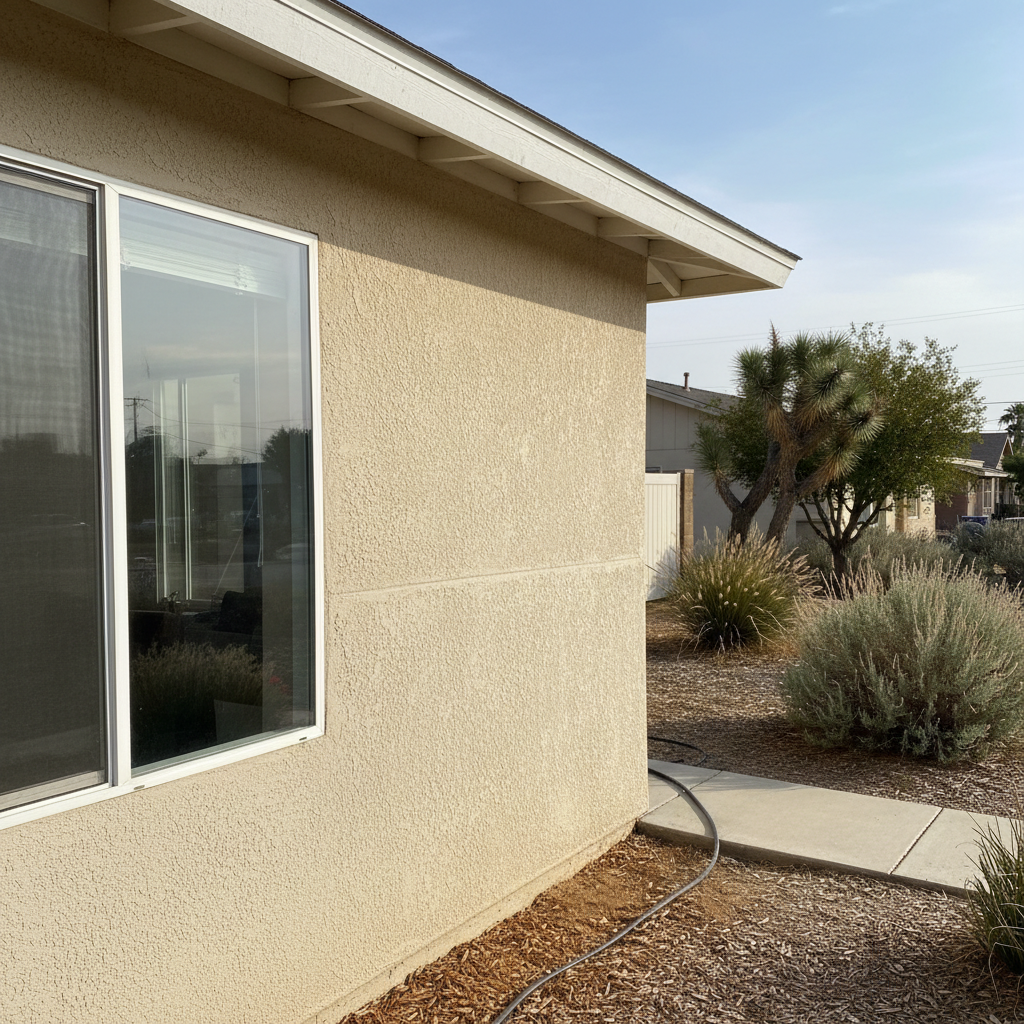
You just invested in getting your stucco repaired, maybe even had us at Lancaster Stucco & Plastering out to fix some cracks or water damage. That's great, but the job isn't done just because we packed up our tools. Now it's up to you to keep that new work looking good and performing its best. Think of it like changing the oil in your car; you wouldn't just drive it until it seized up, right? Same goes for your stucco.
Making Your Stucco Repairs Last
Extending the life of your stucco repairs, and your stucco in general, really comes down to a few key things. First off, proper painting is huge. If your stucco is painted, make sure you're using a high-quality elastomeric paint. This stuff isn't just for looks; it provides a flexible, waterproof barrier that helps protect the stucco from the elements. Here in Lancaster, with our intense sun and occasional heavy winds, that extra protection is invaluable. It helps seal tiny hairline cracks that might form over time and keeps moisture from getting behind the stucco.
Another big one is managing water around your home. We don't get a ton of rain, but when we do, it can be a deluge. Make sure your gutters are clean and directing water away from your foundation. Check your sprinkler heads too. I've seen countless homes where sprinklers are constantly soaking the bottom few feet of stucco. That's a recipe for moisture problems, especially with our clay soils that can hold water. Keep vegetation trimmed back from the walls; bushes and trees can trap moisture against the stucco and prevent it from drying out properly.
Finally, consider sealing. Some folks opt for a clear, breathable sealer on unpainted stucco. This can add an extra layer of protection against water penetration without changing the look. Just make sure it's a product designed for stucco and allows the wall to breathe. You don't want to trap moisture in.
What Regular Maintenance Looks Like
Regular maintenance for stucco isn't a huge chore, but it does require a little attention. I tell my clients to do a walk-around of their house at least twice a year. Think of it as a quick inspection. Look for anything out of the ordinary. After a big rain, or even just a windy day, take a stroll around the perimeter.
- Cleaning: Stucco can get dirty, especially on the north-facing sides of homes or in shaded areas where mildew might try to grow. A gentle cleaning with a soft brush and mild detergent, or even just a hose, can do wonders. Avoid high-pressure washers unless you really know what you're doing, because you can easily damage the stucco surface or force water into places it shouldn't go.
- Caulking: Check around windows, doors, and any penetrations like utility lines or dryer vents. The caulk around these areas is your first line of defense against water intrusion. If it's cracked, shrunken, or missing, it needs to be replaced. This is an easy DIY fix for most homeowners.
- Drainage: Like I said, keep an eye on your gutters and downspouts. Make sure they're clear of leaves and debris. Ensure the ground slopes away from your foundation, not towards it.
These simple steps can prevent small issues from turning into big, expensive problems down the road.
Warning Signs You've Got a Problem
Knowing what to look for can save you a lot of grief. Here are the red flags that tell you something's not right with your stucco:
- Cracks: Not all cracks are bad, but you need to pay attention. Hairline cracks are common and often just surface-level. But if you see cracks that are wider than a credit card, or ones that form a spiderweb pattern, or especially horizontal cracks, those are serious. They can indicate structural movement or significant water damage.
- Discoloration or Stains: Dark streaks, especially under windows or near the roofline, often mean water is getting behind the stucco. Green or black patches could be mold or mildew, which points to persistent moisture.
- Bulging or Soft Spots: If you press on the stucco and it feels soft, spongy, or you see it bulging outwards, that's a major warning sign. It almost always means water has gotten behind the stucco and is damaging the lath or sheathing underneath.
- Efflorescence: This is that white, powdery residue you sometimes see on stucco. It's mineral salts left behind when water evaporates from the stucco. It means water is moving through your stucco, and while not always critical, it's a sign to investigate where that water is coming from.
- Peeling or Blistering Paint: If the paint on your stucco is peeling, bubbling, or blistering, it's often because moisture is trapped underneath, trying to escape.
When to Call a Professional
Look, I'm all for homeowners doing what they can. But there are times when you just need to call in the pros. If you see any of those serious warning signs I just mentioned – wide cracks, bulging, persistent discoloration – don't try to patch it yourself. You might just be covering up a bigger issue that needs proper diagnosis and repair.
Also, if you're not comfortable on a ladder, or if the damage is high up on a two-story house, it's safer to call us. We've got the right equipment and experience to get up there safely and do the job right. Here in Lancaster, we deal with all kinds of stucco issues, from homes in the older parts of town with traditional stucco to newer builds with synthetic finishes. We know what to look for and how to fix it properly, ensuring your repair lasts and protects your home for years to come.
Don't Wait Until It's Too Late
Proactive maintenance and addressing small problems quickly will always save you money in the long run. A small crack today can become a major water intrusion problem tomorrow, leading to rot, mold, and much more expensive repairs. Keep an eye on your stucco, follow these tips, and you'll keep your Lancaster home looking great and protected from our unique climate.