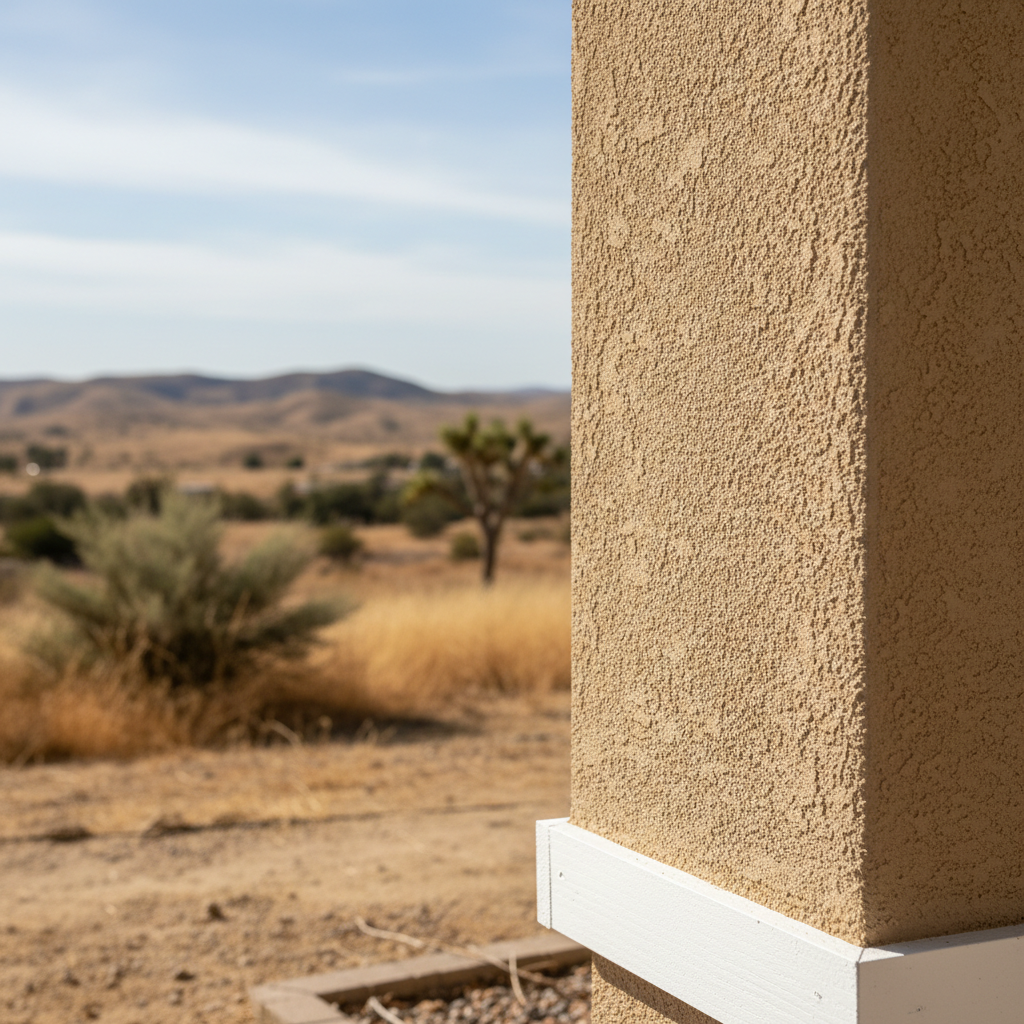
So, you're thinking about getting rid of your stucco? Honestly, it's a big decision, and one I get asked about a lot here in Lancaster. Folks call me up all the time, wondering if it's even possible, what the cost will be, and what their house will actually look like afterward. I've been in this business a long time, and I've seen all sorts of reasons why people want to remove stucco – from outdated looks to those annoying, persistent moisture issues. Let's dig into some of the most common questions I hear.
Why do people remove stucco in the first place?
I see a few main reasons. Sometimes, it's just about how it looks. People buy an older home, maybe from the 70s or 80s, and they simply don't like the stucco anymore. They want something more modern, or maybe they're trying to restore a house to its original siding if the stucco was added later. Another big one is damage. If stucco wasn't put on right the first time, or if it's been ignored for decades, you can end up with cracks, water getting in, or even mold growing behind it. In those situations, sometimes taking it off is the smartest way to fix the underlying problems and put on a new, healthy exterior. I've definitely seen homes in the older parts of town, like near the Boulevard, where the original wood siding was covered up, and homeowners are keen to bring that back.
Can you just remove stucco from any house?
Generally, yeah, you can remove stucco from most homes. But it's not always a simple peel-and-stick job, you know? What's underneath the stucco is the really big question. If your house was originally built with wood siding, brick, or another material, the stucco was probably just applied right over that. Sometimes, it's directly over the sheathing with a weather barrier. We've honestly seen everything: from perfectly preserved original siding to a complete mess of damaged sheathing and framing. Before anyone even touches a hammer, you really need to do some exploratory work. We'll cut a small section out in a spot that's not too noticeable to see what's going on back there. This step is super important; it basically dictates the whole project.
What's involved in the stucco removal process?
It's messy, I'll tell you that much. First, we protect your property – windows, landscaping, anything we don't want covered in stucco dust and debris. Then, it's a manual process of breaking off the stucco. We use tools to chip away at it, usually in sections. As we pull off the stucco, we also take off the lath (that's the mesh that holds the stucco) and the building paper underneath. This exposes the original sheathing or siding. From there, it's all about checking things out. We inspect for any damage to the sheathing, framing, or insulation. Any rot or moisture damage needs to be fixed before a new siding can go up. It's not just about taking off the old stuff; it's about making sure the new foundation is solid. The dry, dusty conditions we get here in Lancaster mean we're always thinking about dust control and keeping the site clean, too.
How long does stucco removal typically take?
That depends a lot on your house's size and, frankly, what we discover underneath. For an average-sized home, say 1,500 to 2,000 square feet, the actual removal part might take anywhere from a few days to a week. But that's just the removal. If there's a lot of damage to repair, or if you're putting on a completely new type of siding, the whole project can easily stretch out for several weeks. It's definitely not a weekend DIY job. You're looking at a pretty significant construction project.
What about the cost? Is it expensive?
Yeah, it can be. There's the labor cost for removal, which is significant because it's so labor-intensive. Then there's the cost of debris disposal – stucco is heavy, and you can't just toss it in your regular trash. After that, you've got potential repair costs for any damage we find underneath. And finally, the biggest cost will be the new siding material itself and its installation. So, while I can't give you an exact number without seeing your house, you should budget for thousands, not hundreds. It's an investment, much like a major remodel. Always get a detailed quote that breaks down each phase, by the way.
What are my options after the stucco is removed?
Once the stucco is off and any necessary repairs are made, your options really open up. Many people choose to install new siding like fiber cement (Hardie board is a popular one), vinyl siding, or even wood siding if that's what was originally there. Some folks might even opt for a new, modern stucco system, like an EIFS (Exterior Insulation and Finish System), which is different from the traditional stucco they removed. The choice often comes down to your budget, the look you're going for, and the maintenance level you're comfortable with. We at Lancaster Stucco & Plastering can help you figure out what makes the most sense for your home and your goals.
Will removing stucco affect my home's insulation or energy efficiency?
It definitely can. Traditional stucco itself offers some insulation, but it's not usually the main insulating factor. When you remove it, you're exposing the wall sheathing. If your home has older, less effective insulation in the wall cavities, or if the stucco was part of an EIFS system that included exterior insulation, then taking it off will impact your home's thermal performance. This is a good opportunity, though, to upgrade your insulation. When we're putting on new siding, we can add house wrap, rigid insulation boards, or just make sure your wall cavities are properly insulated. Especially with our hot summers and cold winters here in the Antelope Valley, improving your home's energy efficiency during this process can save you money on utility bills down the road.
Is it better to repair old stucco or remove it completely?
That's a judgment call, and it really depends on how bad the damage is and what your long-term goals are. If you have just a few cracks or small areas where it's delaminating, repairing and repainting is usually more cost-effective. But if you're dealing with widespread cracking, significant water intrusion, mold, or if the stucco is just falling apart in multiple places, then removal might be the smarter move. Also, if you simply hate the look and want a completely different aesthetic, removal is your only option. We can assess your specific situation and give you an honest recommendation on whether repair or removal makes more sense for your Lancaster home.