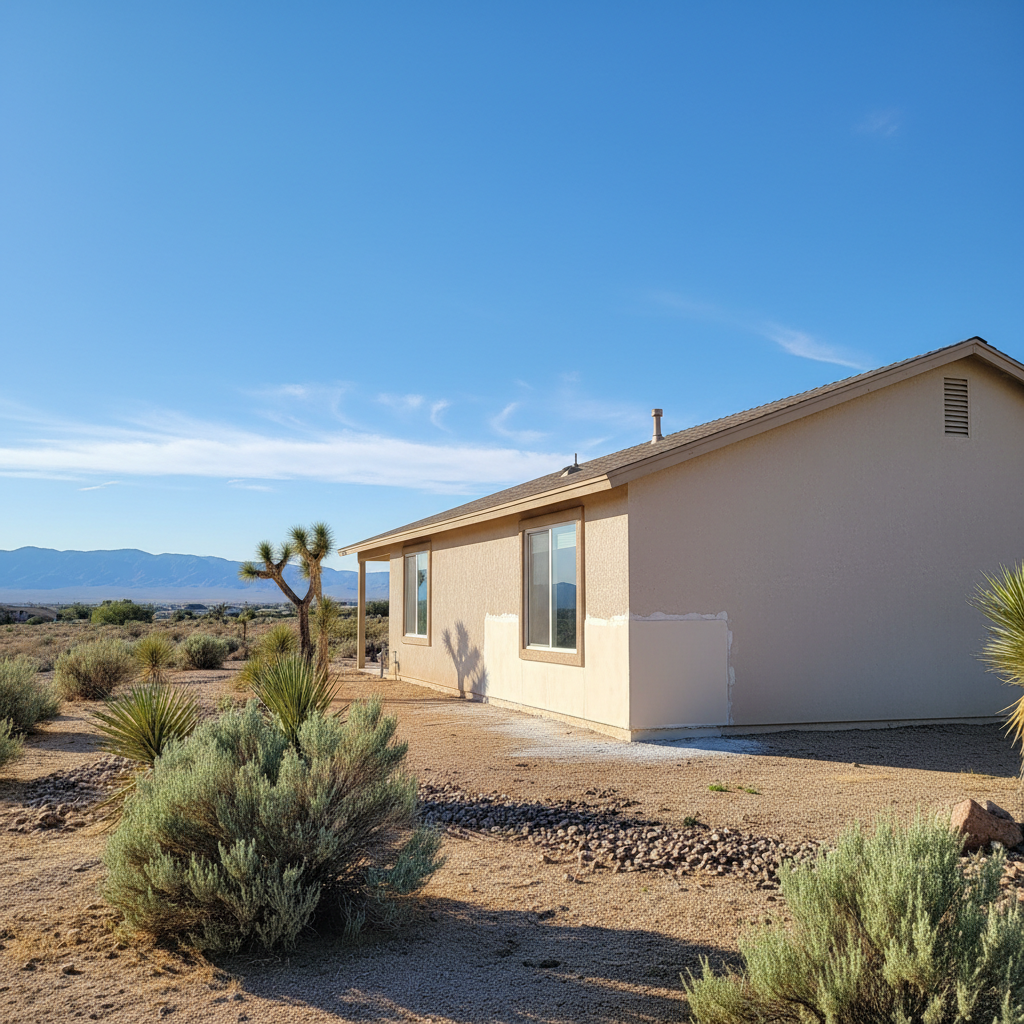
So, you’ve got some stucco damage and you’re thinking about getting it fixed. Good call, honestly. Ignoring those cracks or soft spots just leads to bigger, more expensive headaches down the road. But if you haven't tackled a stucco repair project before, you might not know what to expect. Don't worry, I'm here to walk you through the whole thing, from start to finish.
Setting Expectations: Your Stucco Repair Timeline
How long does a stucco repair project actually take? That's probably one of the first things you'll ask, and it's a totally fair question. The honest answer? Well, it depends. A small patch job, say, a few hairline cracks or a little impact hole, might only take a day or two of actual work. But if you're looking at extensive damage—maybe a whole wall section needs replacing because of water getting in—then you're talking about a week or more.
Here’s a general idea of how things usually break down:
- Initial Assessment & Quote: This part is usually pretty quick, maybe an hour or two on-site. You'll then get a quote within a few days.
- Scheduling: Once you give the go-ahead on the quote, it could be a week or two, sometimes even longer, before we can actually get started. Good contractors are busy, especially during our mild fall and spring weather here in Lancaster.
- Prep Work: Depending on the job, we might need a day to set up scaffolding, protect your landscaping, and just get the area ready.
- Repair Work: This is the part that really varies. Small jobs: 1-2 days. Medium jobs (like a few larger patches): 3-5 days. Big jobs (think multiple wall sections or fixing serious water damage): 1-2 weeks.
- Drying & Curing: This step is super important and people often overlook it. Stucco needs time to dry properly between coats and cure completely. This isn't active work time, but it's definitely part of the project timeline. It can add several days to a week, especially if we're dealing with thicker applications or multiple layers.
- Final Walkthrough: A quick check to make sure you're happy with everything.
Don't rush the drying process, okay? It's absolutely essential for the repair's longevity and integrity. We've got pretty dry air out here in the Antelope Valley, which helps, but you still need to give it the time it needs.
What Happens During the Repair Process?
When my crew from Lancaster Stucco & Plastering shows up, you'll see a pretty standard process unfold:
- Site Protection: The very first thing we do is protect your property. We'll lay down tarps, cover plants, and make sure your windows and doors are shielded from dust and debris. We certainly don't want stucco dust all over your prize-winning roses!
- Demolition & Preparation: We'll carefully remove the damaged stucco. This might mean cutting out sections, chipping away loose material, or even taking out lath if there's significant water damage underneath. We clean the area thoroughly, getting rid of any dust or old debris.
- Lath Installation/Repair: If the underlying lath (that's the metal mesh that holds the stucco) is damaged or missing, we'll put in new lath. This is critical for the stucco to stick right and have proper strength.
- Scratch Coat: This is the first layer of stucco. We apply it directly to the lath and then scratch it with a special tool to create a rough surface. This rough texture gives the next coat something to grab onto. We let this dry for a day or two.
- Brown Coat: This is the second layer, sometimes called the leveling coat. It builds up the thickness and helps create a smooth, even surface for the finish coat. Again, it needs time to dry and cure.
- Finish Coat: This is the top layer, the one you actually see. We'll match your existing stucco's texture and color as closely as we possibly can. This is where the real skill comes in, making sure it blends in perfectly.
- Cleanup: Once the finish coat is on and we're done, we'll clean up the work area, remove all debris, and leave your property looking tidy.
How to Prepare Your Home for Stucco Repair
You can definitely help make the process smoother. Here's what I recommend:
- Clear the Area: Move any outdoor furniture, potted plants, grills, or decorations away from the work zones. The more space we have, the faster and safer we can work.
- Trim Landscaping: If you have bushes or trees right up against the house where we'll be working, give them a good trim beforehand. It helps us protect them better and gives us access.
- Secure Pets: Please keep your pets indoors or in a secure, enclosed area away from the work. We'll have tools and materials around, and it's simply safer for everyone.
- Inform Neighbors: A courtesy heads-up to your neighbors is always a good idea, especially if there's going to be some noise or if our trucks will be parked on the street.
- Provide Access: Make sure we have clear access to the work areas, and if we need access to water or power, just let us know where the hookups are.
Questions to Ask Before You Sign That Contract
Before you commit to anyone, you really need to be asking the right questions. This isn't just about getting the cheapest price; it's about getting a quality job that actually lasts.
- Are you licensed and insured? This is non-negotiable. Ask for proof of both. A good contractor will have no problem showing you.
- What's your experience with this specific type of stucco repair? Not all stucco is the same, and not all damage is the same. You want someone who's seen it before, right?
- Can you provide references? And actually call them! Ask about their experience, how they communicated, and if they were happy with the final result.
- How do you handle color and texture matching? This is a big one. You definitely don't want a patchwork quilt on your house. Ask to see samples or examples of their matching work.
- What's included in the quote? Make sure it's detailed. Does it cover materials, labor, cleanup, and any necessary permits? Are there any potential hidden costs?
- What kind of warranty do you offer on your work? A reputable contractor will stand behind their repairs.
- How do you protect my property during the job? Get specifics on their site protection plan.
- What's the payment schedule? You usually pay a deposit upfront, then progress payments, and the final payment upon completion and your satisfaction. Be wary of anyone asking for a huge percentage upfront.
Taking the time to plan and ask these questions will save you a lot of headaches and help ensure your stucco repair project goes smoothly. You want your home to look good and be protected, and with the right approach, you'll get exactly that.