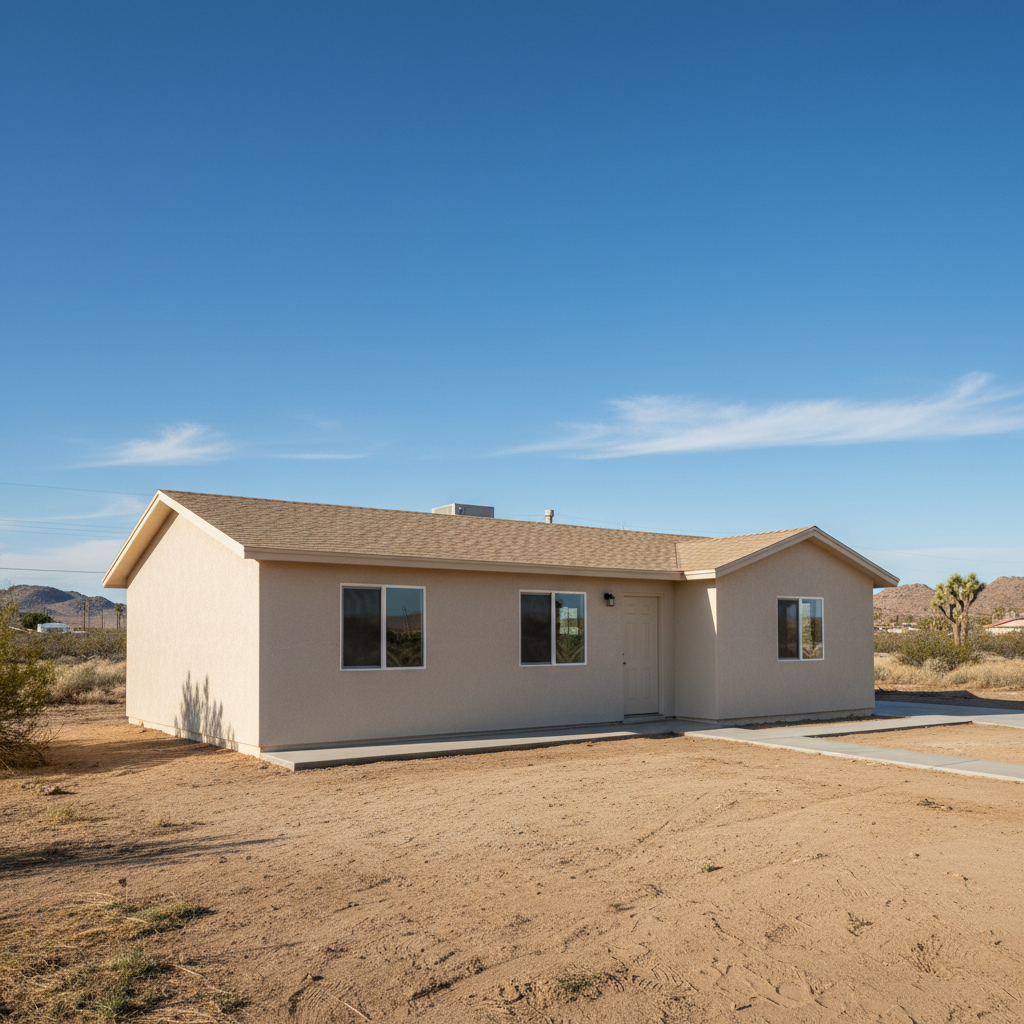
So, you're looking at a stucco replacement. Maybe it's old and cracked beyond repair, or perhaps you've got water coming in that just can't be patched anymore. Whatever the reason, you're probably asking, "What's this going to cost me?" That's a fair question, and I'm here to give you some straight answers based on what I see every day right here in Lancaster.
What Makes the Price Go Up or Down?
A full stucco replacement isn't a one-size-fits-all kind of deal. A bunch of factors play into the final cost, you know? Knowing these can really help you understand the quotes you get.
- Scope of Work: Are we just tearing off the old stucco and putting new stuff on, or is there more to it than that? Sometimes, we find rotten sheathing or framing underneath, and that needs to be replaced. That means extra labor and materials.
- Size and Complexity of Your Home: A small, single-story ranch house will definitely be cheaper than a large, two-story custom home with lots of architectural details, gables, and bump-outs. More corners, more windows, and higher walls just mean more work, more scaffolding, and more time.
- Type of New Stucco System: Are you going back with a traditional three-coat system, or are you thinking about an EIFS (Exterior Insulation and Finish System)? EIFS usually costs more upfront but gives you better insulation. Most folks in Lancaster stick with traditional stucco, which is both durable and pretty cost-effective.
- Existing Substrate Condition: If your current stucco is failing because of water damage, we might need to replace the entire moisture barrier system, including the house wrap and flashing. This is super important for preventing future problems, especially with our intense summer sun and those occasional heavy rains that really test a home's exterior.
- Access and Site Conditions: Is your property easy to get around? Are there tight spaces, landscaping that needs protecting, or steep grades? All these things can add to the labor cost because they slow us down or require special equipment.
Typical Cost Ranges in Lancaster, CA
Alright, let's talk numbers. For a full stucco replacement, which includes tear-off, new lath, scratch coat, brown coat, and finish coat, you're generally looking at a per-square-foot price. This doesn't include any structural repairs we might find underneath, just the stucco system itself.
- Basic Replacement (Traditional 3-coat): For a straightforward job on a typical Lancaster home, you're usually looking at something in the range of $8.00 to $12.00 per square foot of wall surface. This covers the labor and materials for the stucco system.
- More Complex Jobs: If your home has a lot of architectural details, multiple stories, or needs extensive scaffolding, that price can climb to $13.00 to $18.00 per square foot.
- EIFS Systems: If you choose an EIFS system, expect to pay more, often in the range of $15.00 to $25.00 per square foot, depending on the insulation thickness and finish.
So, for an average 1,500 square foot single-story home with, let's say, 1,200 square feet of wall surface, a full traditional stucco replacement might run you anywhere from $9,600 to $14,400. Remember, this is just an estimate for the stucco work itself. Any underlying repairs would be extra.
What Should Your Quote Include?
When you get a quote from a contractor, make sure it's detailed. A good quote from a company like Lancaster Stucco & Plastering should clearly outline:
- Demolition: The cost for tearing off the old stucco and getting rid of it.
- Substrate Preparation: This includes checking the sheathing, putting on a new weather-resistant barrier (like house wrap), flashing around windows and doors, and installing weep screeds.
- Lath Installation: Details about the type of metal lath or wire mesh they'll use.
- Stucco Application: This specifies the number of coats (e.g., scratch, brown, finish) and the materials for each.
- Finish Coat: The type of finish (e.g., smooth, sand, dash) and the color.
- Cleanup: What they'll do to leave your property tidy when they're done.
- Warranty: What kind of guarantee they offer on their work.
- Permits: Who is responsible for pulling the necessary permits. In Lancaster, you definitely need a permit for a full stucco replacement.
If a quote is just a single line item, well, walk away. You need to know what you're paying for, right?
How to Avoid Overpaying
Nobody wants to get ripped off, especially on a big home improvement project. Here are my tips for making sure you get a fair deal:
- Get Multiple Bids: This is a no-brainer. Get at least three detailed quotes from reputable, licensed contractors. It helps you compare apples to apples and understand the market rate.
- Check Licenses and Insurance: Always, always verify that the contractor is licensed (CSLB for California) and fully insured. Don't just take their word for it. You can look it up online.
- Ask for References: A good contractor will have happy customers. Call them up and ask about their experience.
- Don't Go for the Cheapest Bid: The lowest price often means corners are being cut, materials are inferior, or the crew isn't experienced. Stucco is your home's skin; you really don't want to skimp here.
- Understand the Contract: Read every single word. Make sure everything discussed is in writing. What's included, what's excluded, the payment schedule, timeline, and warranty.
- Be Wary of High-Pressure Sales: If someone is pushing you to sign today or offering a "limited-time discount," that's a huge red flag. Take your time to make an informed decision.
- Ask About Underlying Repairs: Get clarity on how they handle unexpected findings. Will they stop work and get your approval for additional costs if they find dry rot or termite damage? They absolutely should.
Replacing your stucco is a significant investment, but when done right, it protects your home for decades. Do your homework, ask the right questions, and choose a contractor you trust. It'll save you headaches and money in the long run.